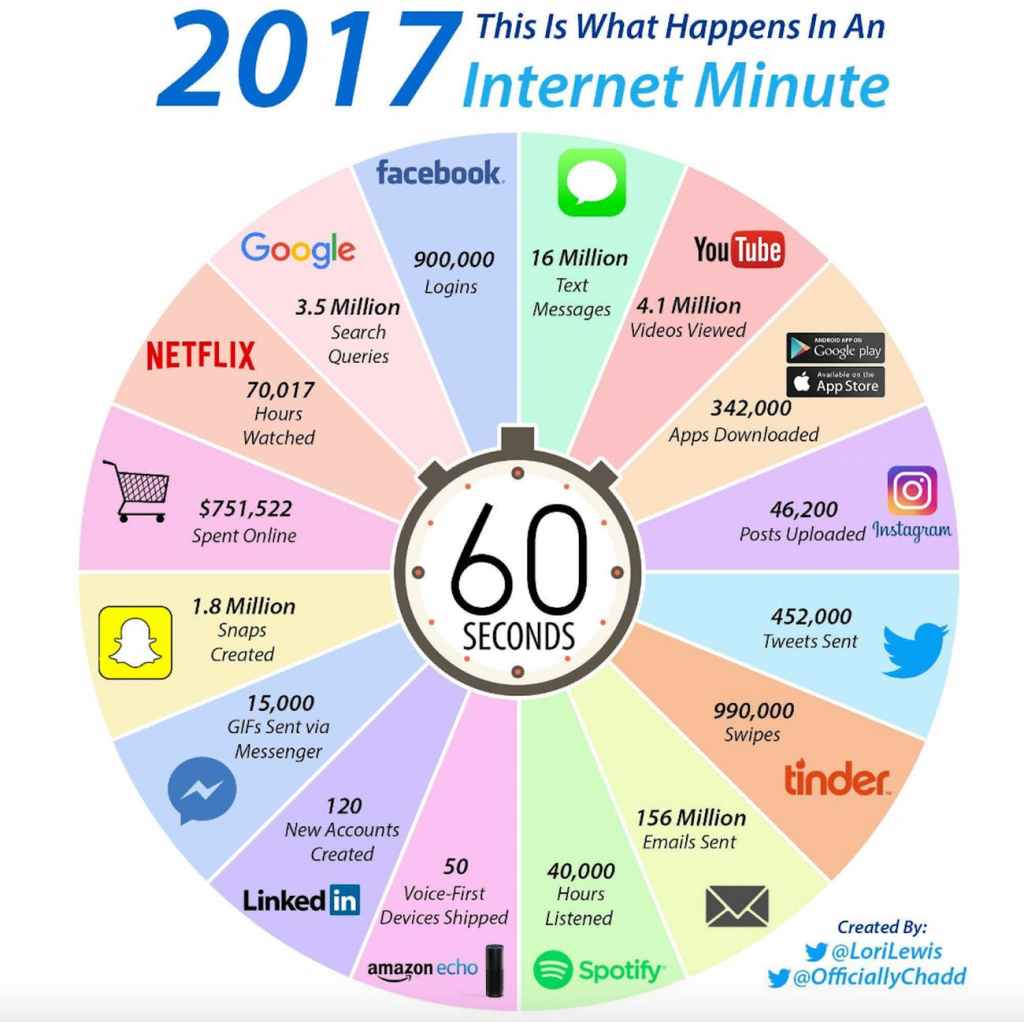
The development of cinema created a new kind of public sphere. One based not on face to face interaction or physical closeness, but shared media and experiences. Early cinema becomes entertainment for the masses quickly and nickelodeons soon were visited by people of all walks of life and income, the traveling cinemas and circus sideshow nickelodeon acts reached far into the countryside and across borders. This basic sharing of media and story to create a public has massively expanded to today, where movies and media are being viewed on a massive scale and cinema publics can include hundreds of thousands of people. Today, we have media other than cinema and film, and this new media that lives almost exclusively online has spawned a public of its own. This is a new version of a public, a larger, loosely connected, vaguely defined modern public.
Hansen describes publics as “denoting a discursive matrix or process through which social experience is articulated, interpreted, negotiated and contested in an intersubjective, potentially collective and oppositional form.” In early cinema, these social experiences were shared between people who had watched and processed the same movies. The discussion was conducted between people face to face, often within social groups that had already existed and within class structures. At work, within social groups, films and media were discussed. As cinema developed, film critics released film analysis’s that were published and consumed by a wider audience in newspapers and journals. Now, the internet has effectively shrunk our social world. In this third stage of globalization allows for the “ability of individuals to collaborate and compete on a global level”. Jonathan L. Friedman writes “Globalization 3.0 makes it possible for so many more people to plug and play, and you are going to see every color of the human rainbow take part”. This platform for people of all with access to the internet has immeasurably widened the discussion around film, but also new media, such as shorter film clips and memes. The articulation, interpretation, and negotiation in regards to all types of media take place in online chats, comment sections, and social media groups. These publics and experiential overlap can also concern other types of media.
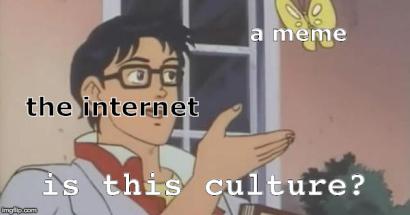
I would argue that “meme culture” is one of the brand new publics, where people who have never interacted have consumed so much of the same media they have a shared playing field of knowledge and material that can develop into a new public. Lemor Shiffman explains that “memes may best be understood as cultural information that passes along from person to person, yet gradually scales into a shared social phenomenon”. It is hard to define what a meme is exactly, but these images and jokes are viewed and built upon by thousands of internet users. It is not always direct type of communication but people share and talk about memes so often that in my experiences the internet communities built around them do fulfill Hansen’s description of a public. Memes may be hard to define and their impact is hard to pinpoint because “Although they spread on a micro basis, memes’ impact is on the macro: They shape the mindsets, forms of behavior, and actions of social groups” (Shiffman).
A major difference between cinema publics and these memes based publics is that there is very little scholarship about this specific internet culture, at least compared to the film scholarship. This in part is due to the much longer history of film, but even now there is little widely consumed internet culture scholarship. Also there is nothing like canon or canonical lists concerning memes and internet media. The shear breadth of internet media may be to blame, but also the common dismissal of memes as useless and not worthy of deeper analysis. Memes may be stupid nonsensical jokes on one level, but the fact that I know with relative certainty that if I say “freshavacado” to anyone in their teens or twenties, they will know what I am talking about, and more than likely will respond with meme in kind, should not be dismissed.

 FILM 3610G - CINEMATIC PUBLICS & PARTICIPATIONS: MOVEMENTS, MANIFESTOS, FILM FESTIVALS, COLLECTIVES
To demonstrate your well put point, I motion to start a vine reference threat … I’ll start “Hurricane Katrina? More like Hurricane Tortilla”
LikeLike