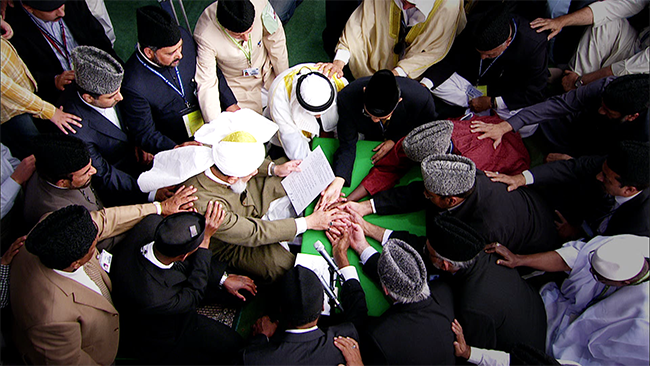
For the last few weeks, I have been wondering how to connect to the material we’ve been discussing in class. It was the discussion of Catherine Squires’ paper on Counter Republics and her definitions pertaining to minority groups, that I realized that I too belong to what may be considered a counter public. In her paper, Squires writes that, many theorists see counter publics as being comprised of minority groups such as women, people of colour, homosexuals and religious minorities, and that these were formed due to being excluded from dominant spheres of public and state. Squires further states that, “the move away from the ideal single public sphere is important in that it allows recognition of public struggles and political innovations of marginalized groups outside traditional or state-sanctioned public spaces and mainstream discourses dominated by white bourgeois males.” This was a statement I could relate to, as it is a struggle that my community continues to overcome as a marginalized group.
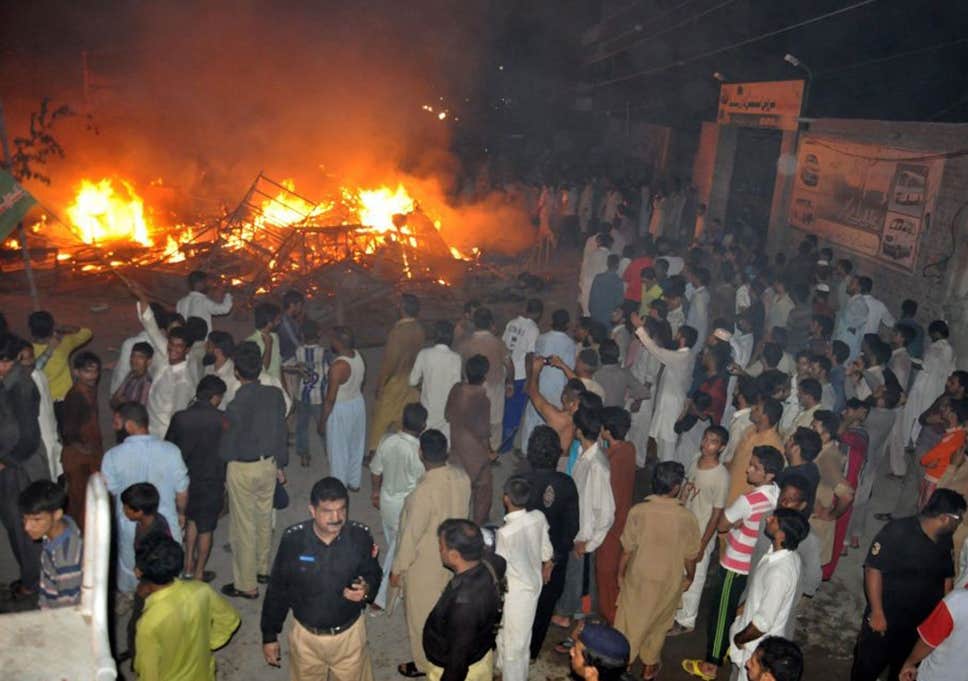
Reading through this essay, I found the discussion of satellite publics to be the most fitting for myself and my community. As I mentioned, I belong to a minority group – a religious minority. As part of the Ahmadiyya Muslim Community, I belong to a group which is one of the 76 sects of Islam. One that the Muslim Ummah have declared as not within the fold of Islam. In the 1980’s, with the promulgation of Ordinance XX in the Islamic Republic of Pakistan, there were legal ramifications for Ahmadis to call themselves Muslim or calling their places of worship mosques, etc. Because of this, a minority group was not allowed to practice or discuss their religion in public. Although the law has not changed in Pakistan, Islam Ahmadiyya has spread to 200 and more countries.
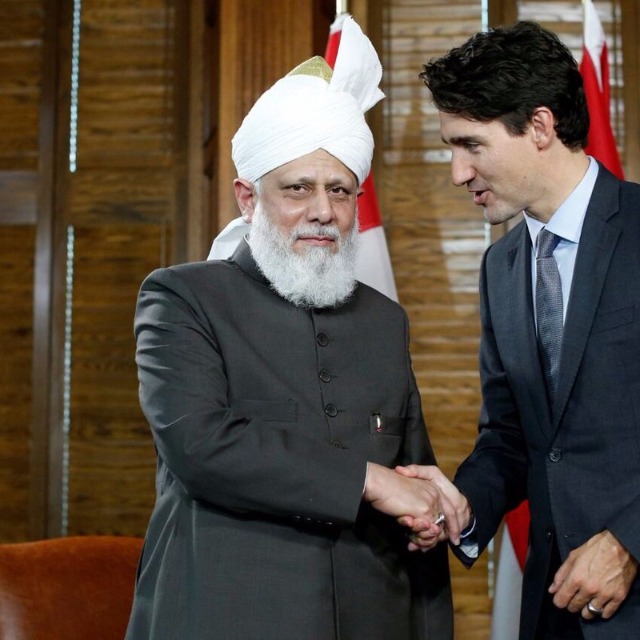
So, how does this being part of a minority relate to the essay and the idea of satellite publics? In Squires’ paper, she writes that satellite publics are separate and independent spaces open to their members and have a consolidated group of media and material resources; they also are involved in wider public discourses from time to time. Such is the case of the Ahmadiyya Muslim Community. While not a radical group in the slightest, our community has its own media and material resources in order to spread the true message of Islam and Ahmadiyyat, rather than allow the false narrative to take hold. This gives us the power to represent ourselves in mainstream media, instead of public discourse being led by the ‘bourgeois white male’.
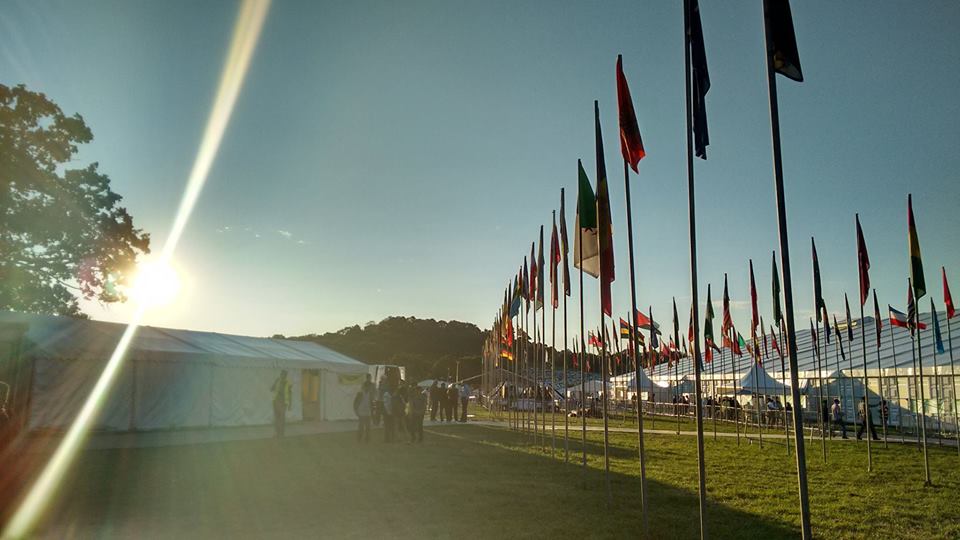
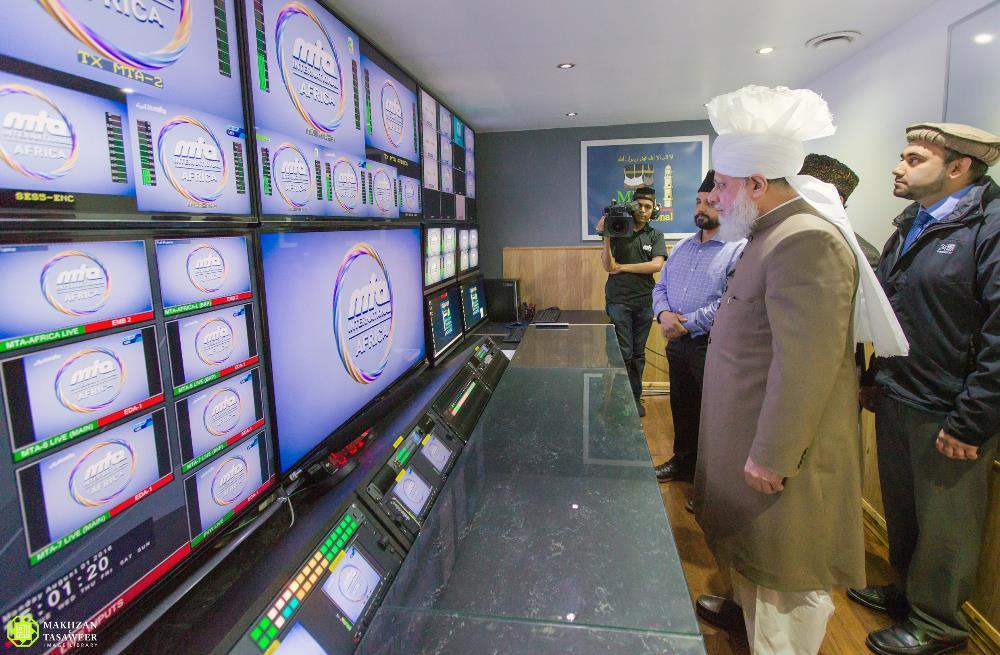
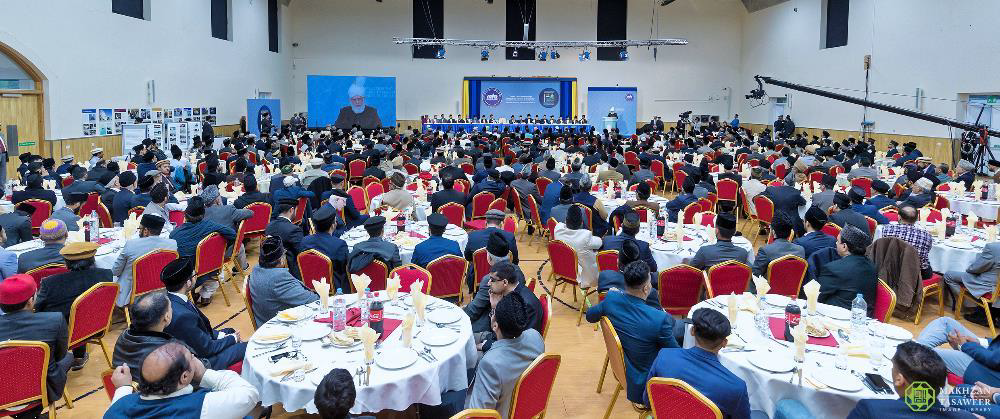
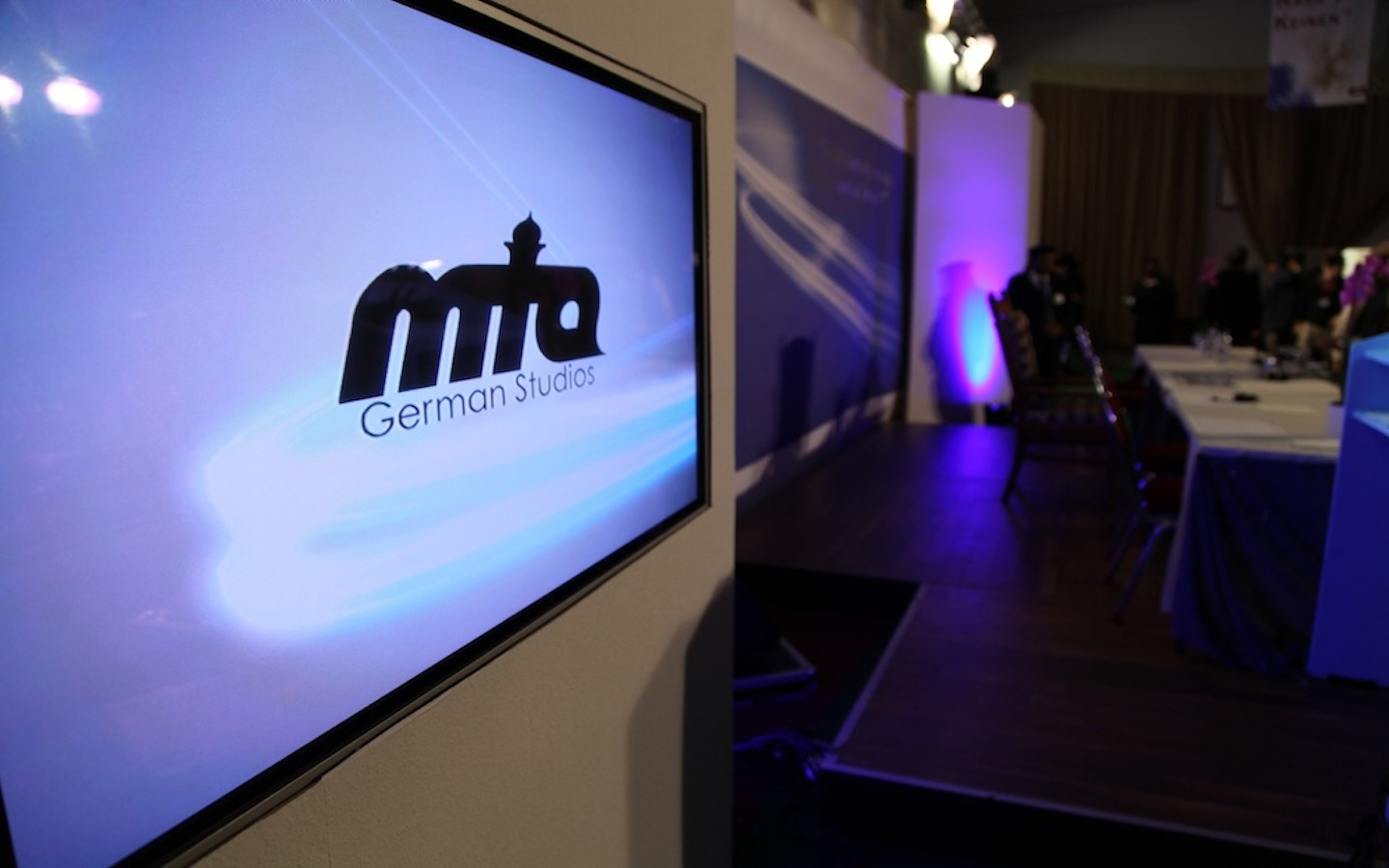
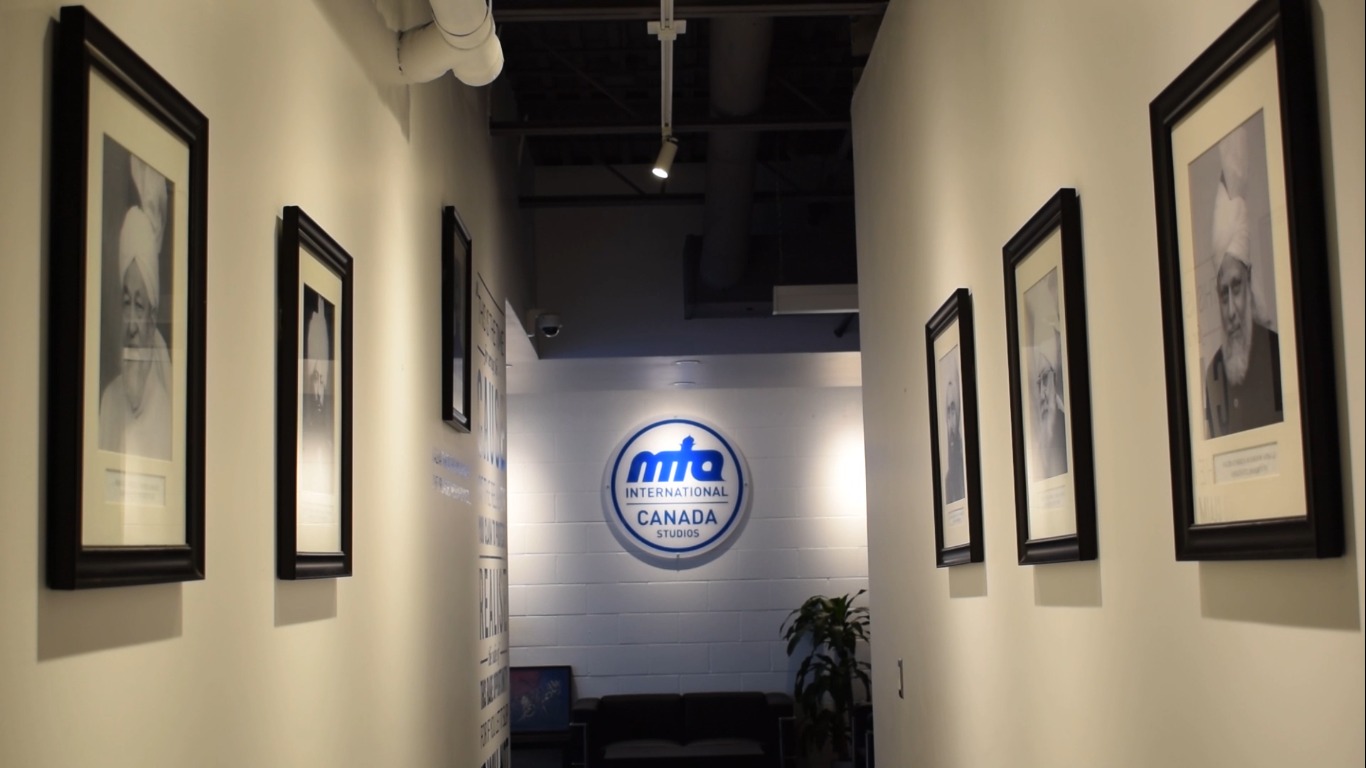
While we do seek a kind of separation from other publics, we also integrate ourselves within the public sphere. An example of this can be seen through our 24-hour television channel, MTA International, as well as several newspapers and periodicals – such as Al-Hakam and the Review of Religions. Our television channel, MTA, has a wide range of programming along with material to dispel rumours and allegations made against us. It also gives us the autonomy to present internal material for religious education as well show case the work that we are doing around the world, and the talent that resides within our community. Further, it allows us to cater content according to region, with variation in programming for Europe, Africa, and North America. The same can be said for our periodicals; Al-Hakam and Al-Fazl are catered to those within the community, whilst the Review of Religions is meant to involve discourse amongst the wider public.
I don’t completely agree that we fit Squires’ definition to the letter with regards to being a satellite public; as a community it is not our desire to incite controversy or to truly isolate ourselves from the public sphere, our existence itself has been made controversial by others.
Catherine Squires, “Rethinking the Black Public Sphere: An Alternative Vocabulary for Multiple Public Spheres,” Communication Theory 12.4 (Nov 2002): 446-468.
 FILM 3610G - CINEMATIC PUBLICS & PARTICIPATIONS: MOVEMENTS, MANIFESTOS, FILM FESTIVALS, COLLECTIVES