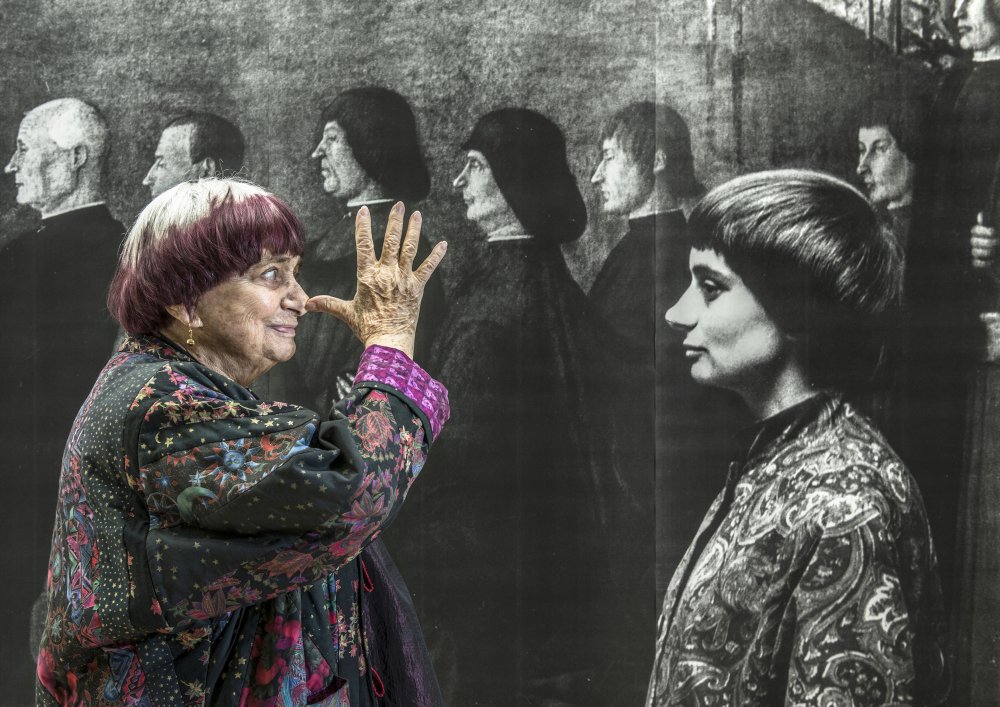
Credit: Agnès Varda (c) Cine Tamaris
As a film student you would expect me to have watched a numerous amount of movies. Unfortunately that isn’t the case. Don’t get me wrong I watch a movie almost every day, but it takes a special kind of film for me to lose interest.

Emptiness is more emotion than physical
“Does it protect you as well? From What? From emptiness. Because it’s full here”
Varda to Herve aka VR99/VR2000
That was exactly what I felt when I first watched The Gleaners and I by Agnès Varda, I was in first year sitting in a huge lecture hall with 5 times the amount of people I’m so accustomed to and I hated every single moment of it.
Me, a pretentious first year acting like I knew better than this established filmmaker.
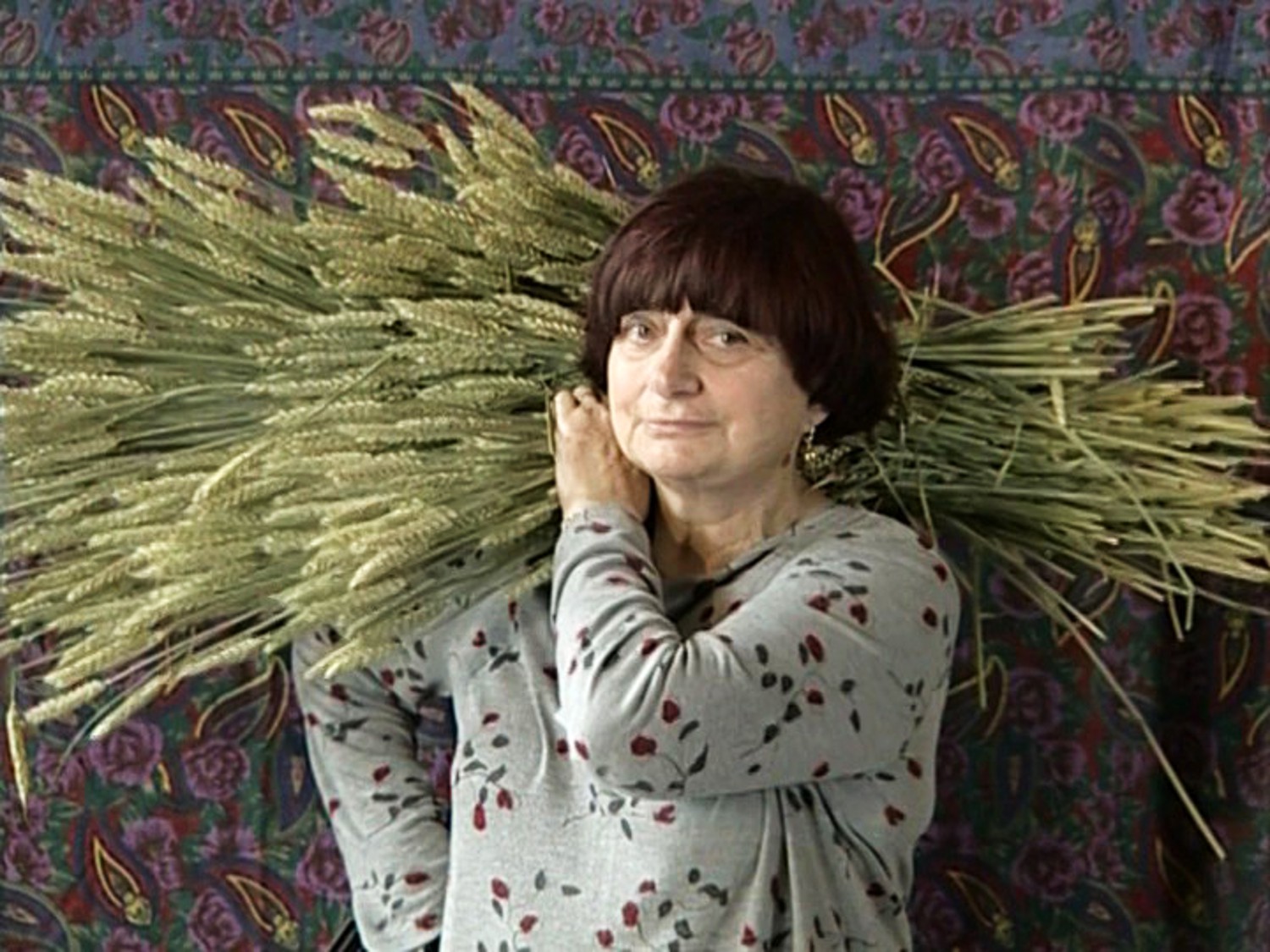
Now that I’ve grown and have been humbled I was expecting to hate The Gleaners during my second screening but it was the complete opposite. I found the film to be exciting, fresh and actually enjoyable.
Money makes the world go round
“Commercial media present different problems for a public sphere. Their first master is the drive for profit, which conceives media in relationship to consumers in a market rather than to citizens in a public sphere” (Butsch, 8)
Richard Butsch. “Introduction: How are media public spheres?” In Richard Butsch (Ed.), Media and public spheres (pp 1-9). Basingstoke, UK: Palgrave MacMillan: 2009.
Film has become such a profit driven market where in the public eye it has changed from art to entertainment. Varda encapsulates this feeling of art through her film and we see it, from her perspectives about life and how futility occurs at the end of each cycle. Especially when she documents her hand, she talks about it and how she doesn’t seem to recognize it anymore and compares it to an animal unknown. The Gleaners are an embodiment of taking old and essentially re-gifting life.
“The aim of art is to tidy up. I make sentences from things.”
We see this with the artists, the farmers, and Varda herself. Throughout the film she begins gleaning and taking objects for herself such as the potatoes and the chairs.

From my first screening I found every scene to be bland, boring and downright unentertaining, but this was due to my arrogance and ignorance. The reason why she decides to document everything is because she can. This jump to digital technology is fascinating and we see her experimenting with the film. Like the scene when she included her lens cap flailing around, I originally thought “Why would you include that? It does nothing for the film” yet when you take in the context of the film you understand that these are mistakes that she has made for the first time. We as produsers are so ingrained with technology that when we see such “mistakes” it takes away from the film because we should know not to make these mistakes. Instead we see Varda learning from her mistakes but on a public scale.
“When people find out I have a master’s degree they don’t understand why I sell newspapers to make money”
As far as I know, I will never be able to make anything as significant as Varda has done with The Gleaners and I but she was able to teach me a few things about myself. It doesn’t matter what you do but as long as you do it for you.
Work Cited
Richard Butsch. “Introduction: How are media public spheres?” In Richard Butsch (Ed.), Media and public spheres (pp 1-9). Basingstoke, UK: Palgrave MacMillan: 2009. 8.


 FILM 3610G - CINEMATIC PUBLICS & PARTICIPATIONS: MOVEMENTS, MANIFESTOS, FILM FESTIVALS, COLLECTIVES
I find it funny that I shared the same feeling as you in watching this film in class. Ironically it was the most interesting film we watched in that class. It was so weird! I don’t ever remember the class itself. I ust remember how everyone in that room felt what you felt too. Everyone was sad that we didn’t have time to finish that film. Now remembering all this, I have the desire to watch this film on my own.
LikeLike
I had never watched this film as well! At first, I was extremly unfamiliar with this type of film style. It was extremely expressive and immersive especially with Agnès Varda behind the camera. I really liked when you said “The reason why she decides to document everything is because she can. This jump to digital technology is fascinating and we see her experimenting with the film.” I think this is such a great thing to keep in mind while watching the film! This new use of technology for her during that time must have been such a treat for her to experiment with! I enjoyed you blog post!
LikeLike